
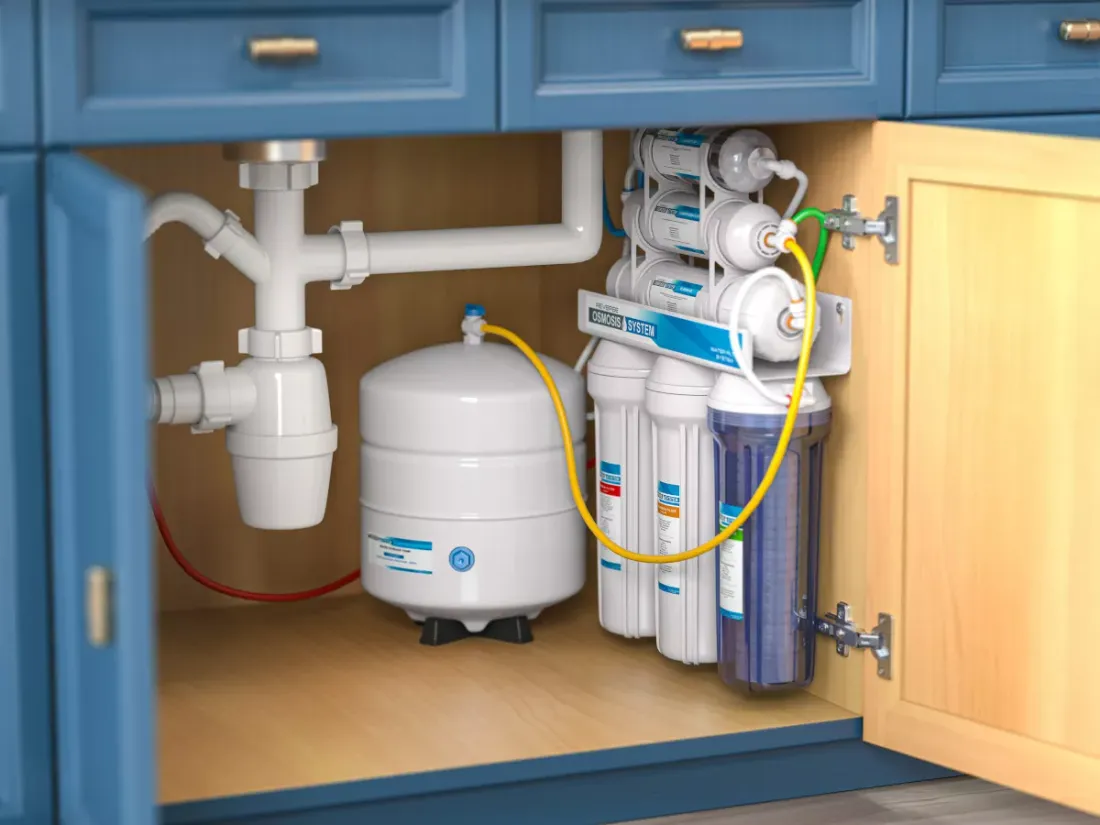
A change in taste, smell or color is a reason to check your water. Some concerns, such as lead, have no taste or odor. Start with your water source and test results so you can choose treatment that fits the problem.
- Install a Water Filtration System
- Test Your Water Regularly
- Maintain Your Plumbing
- Stay Informed About Water Quality Reports
- Install a Water Softener for Hard Water
Install a Water Filtration System
Choose a filter for the substance you want to reduce. CDC’s guide to home water filters explains that different filters remove different things. A carbon filter that improves taste may not remove germs or lead. Check the exact model’s certified claims, then decide whether to treat drinking water at one tap or water throughout the home.
Test Your Water Regularly
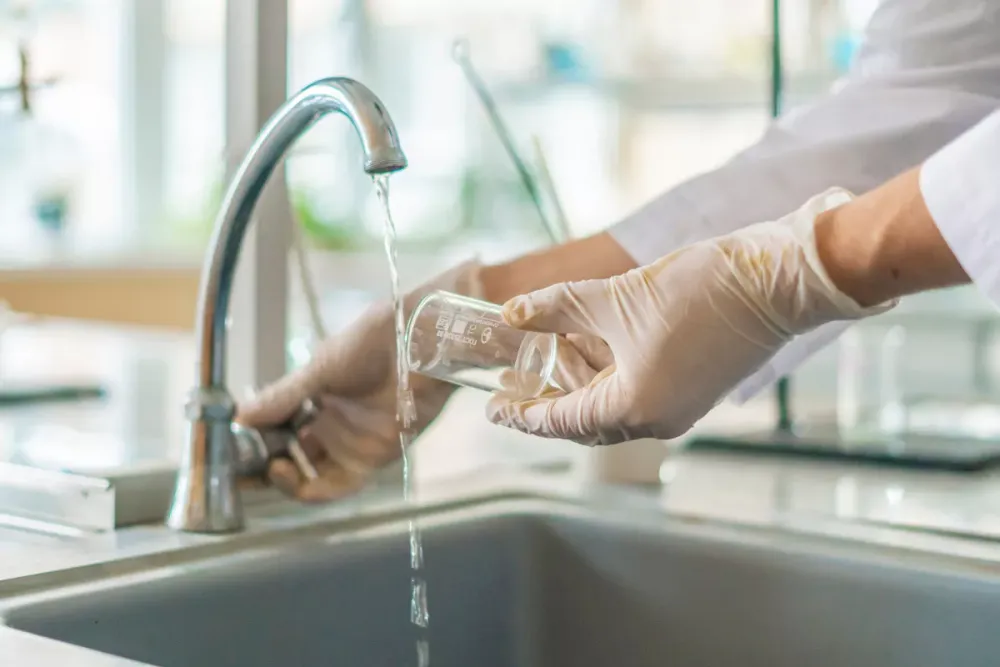
If you use city water, start with its annual report. For a private well, follow Minnesota’s well-testing guidance. Use a certified lab for health-related testing. The right test depends on your water source, plumbing and the concern you want to check.
Maintain Your Plumbing
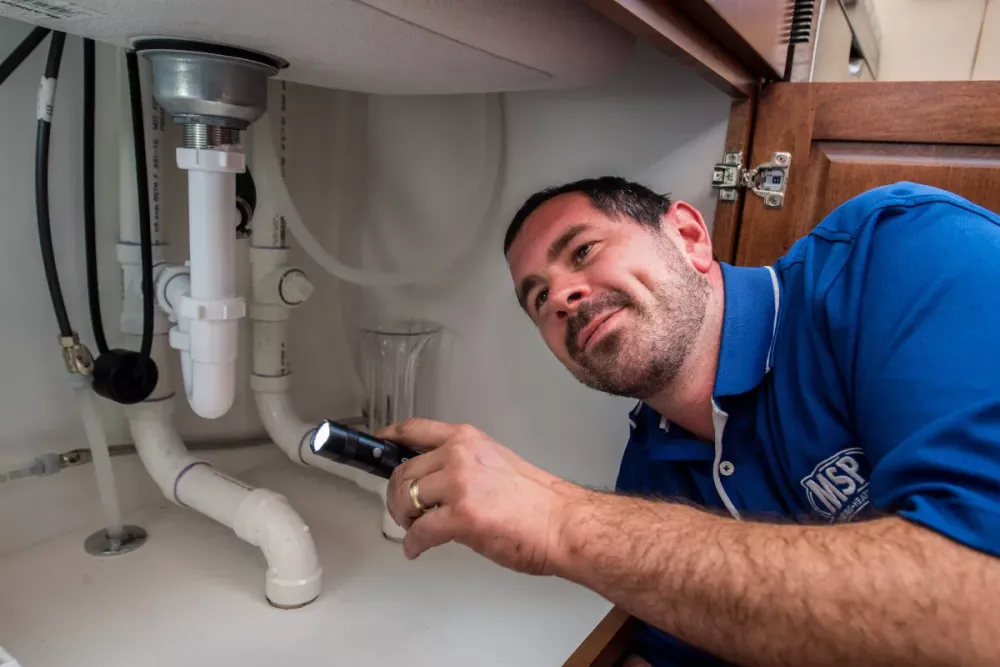
Lead can enter water through some older service lines, pipes, fixtures or solder. A plumbing inspection can help identify materials that need attention. Follow your water utility’s guidance on lead testing and replacement. A water softener alone will not solve a lead problem.
Stay Informed About Water Quality Reports

Public water systems publish annual reports with test results and drinking-water limits. Read yours to see what was measured and whether any action is advised. Results for the public system do not describe every home’s plumbing, so a tap-water test may still help with a specific concern.
Rosemount posts its annual water quality reports and current updates online. Use those measured results when choosing treatment. Hardness affects scale and soap use; it does not by itself show that the water is unsafe.
Install a Water Softener for Hard Water
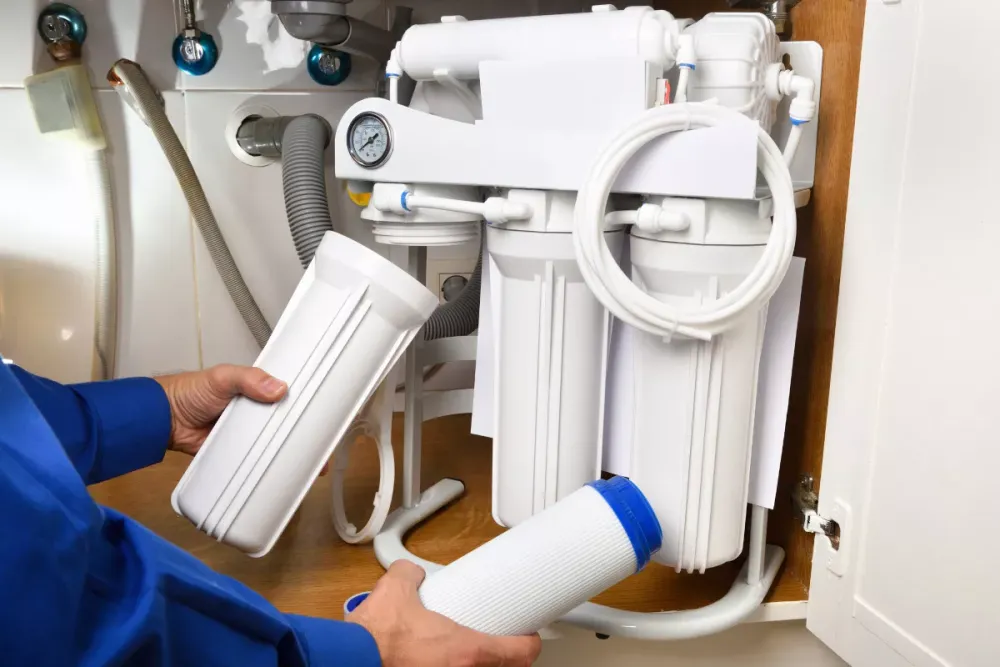
Hard water contains dissolved calcium and magnesium. These minerals can leave scale on fixtures and inside water-using equipment. A water softener reduces hardness. It serves a different purpose from a filter chosen for a health-related contaminant.
Choose Treatment for Your Water
Bring your water report or test results when you compare systems. Ask which substances each model reduces, how it is sized, and what upkeep it needs. Keep up with filter changes so the system can work as designed.
MSP can help you compare water treatment options for your home. We explain what each system does and give you the price before work starts.
For more on water quality, see our guides to signs to check your water quality and water filtration costs and benefits.