
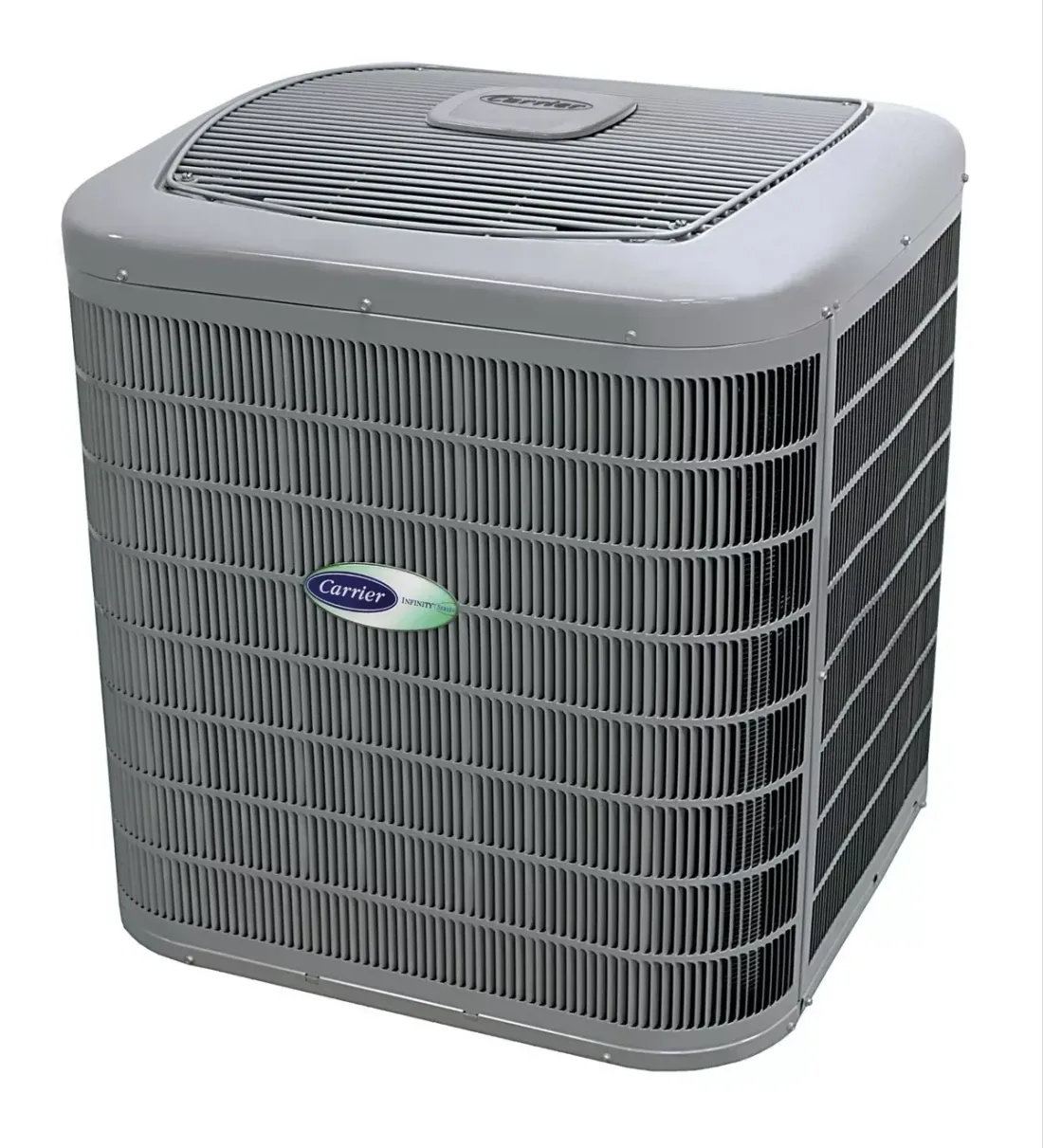
Are you considering a heat pump installation in Minnesota? Heat pumps offer numerous advantages, such as dual heating and cooling functions, quiet operation, and energy efficiency. These features enhance home comfort and contribute to their cost-effectiveness in managing your home's temperature.
MSP’s posted heat pump installation prices start at $9,000, with $14,000 as the average and $18,000+ for higher-end systems. These are our Twin Cities planning prices as of October 2026. Size, cold-weather performance and installation work affect your quote.
- System size and capacity
- Energy efficiency
- Ductwork modifications and installation complexity
- Rebates and tax credits
- The contractor you hire
This article will explore these factors in detail to help you estimate the cost of installing a heat pump in your home.
Interested in a heat pump installation in MN?
MSP installs heat pumps for Twin Cities homes. We compare the equipment with your heating needs, check the ductwork and explain the installed price. See our heat pump installation service for details.
SCHEDULE ESTIMATESystem Size and Capacity
The first factor that influences costs is system size or capacity. It's important to note that this doesn't refer to the device's physical size but refers to the number of BTUs or British Thermal Units. The higher the BTU output, the stronger the heating capabilities. A more substantial output also translates to higher costs.
So, what size heat pump do you need? The answer depends on the following factors:
- Home size
- Climate
- Number of windows and floors
- Insulation
- Number of household members
Ultimately, you want a system size that's right for your home. If it's too small, you won't receive adequate heat; if it's too large, you'll waste heat. After examining your home, the MSP team can tell you the best-sized unit for your needs.
Energy Efficiency
In addition to size, it's important to consider energy efficiency. Heat pumps come with two efficiency ratings:
- Heating Seasonal Performance Factor 2 (HSPF2)
- Seasonal Energy Efficiency Ratio 2 (SEER2)
HSPF2 measures rated heating efficiency. SEER2 measures rated cooling efficiency. Higher ratings mean greater efficiency under the test conditions. Ask how the system performs at Minnesota winter temperatures too.
Cold-climate performance matters as much as a headline efficiency rating. Compare output at low outdoor temperatures and decide how backup heat will work. DOE explains the current rating standards.
Ductwork Modifications and Installation Complexity
Heat pumps are often compatible with your home’s current ductwork, which is a significant advantage. However, certain situations might necessitate ductwork modifications, such as:
- Outdated or inefficient ductwork designs
- Ductwork with leaks or cracks
- Absence of existing ductwork
- A complex layout of your home
The extent of these modifications directly affects the complexity of the installation. Consequently, more extensive ductwork changes can lead to increased installation costs.
Rebates and Tax Credits
Check Minnesota’s current home energy rebate programs before you buy. Eligibility can depend on household income, equipment and an assessment before installation. The federal 25C home improvement credit ended for equipment placed in service after December 31, 2025, so do not subtract that former credit from a 2026 quote.
The Contractor You Hire
The final factor is, of course, the contractor you hire. At MSP, we offer affordable heat pump installations without compromising on quality. We're familiar with a wide range of brands, makes, and models, and we only use the highest-quality equipment.
We'll start by considering your home's size, heating demands, and installation requirements. Then, we'll recommend and install a heat pump perfectly tailored to your needs.
Need a quote for your heat pump installation? Contact our MN techs today!
Need help comparing systems? MSP can assess your home and explain the heat pump options that fit it. We check the installation scope and give you a clear price before you decide.
SCHEDULE ESTIMATEFor more on heat pump choices, see our guides to heat pump operating costs and dual-fuel heat pumps.