

Minnesota winters are hard on homes. Furnaces run for five months straight, dryers work overtime, and everything around the house builds up a season's worth of dust, lint, and debris. Spring is the natural time to reset.
This checklist covers the fire safety tasks worth handling before summer. Most take an hour or two. A few are worth calling a pro for. All of them help keep your family safer.
Why Spring Matters for Fire Safety
By the time the snow melts in the Twin Cities, your home has been running hot for months. Furnace filters are clogged. Dryer vents have collected lint from thick sweaters and extra loads of laundry. Outside, dead leaves and branches that got buried under December snow are finally visible again, often piled against foundations and in gutters.
Daylight saving time in March is the reminder most fire departments use to nudge people toward their alarms, which makes it a useful anchor for the rest of this list. Once the clocks change, you've got a window of a few weeks where it's warm enough to work outside but not yet hot enough to burn the afternoon. That window is short in Minnesota. Use what you've got.
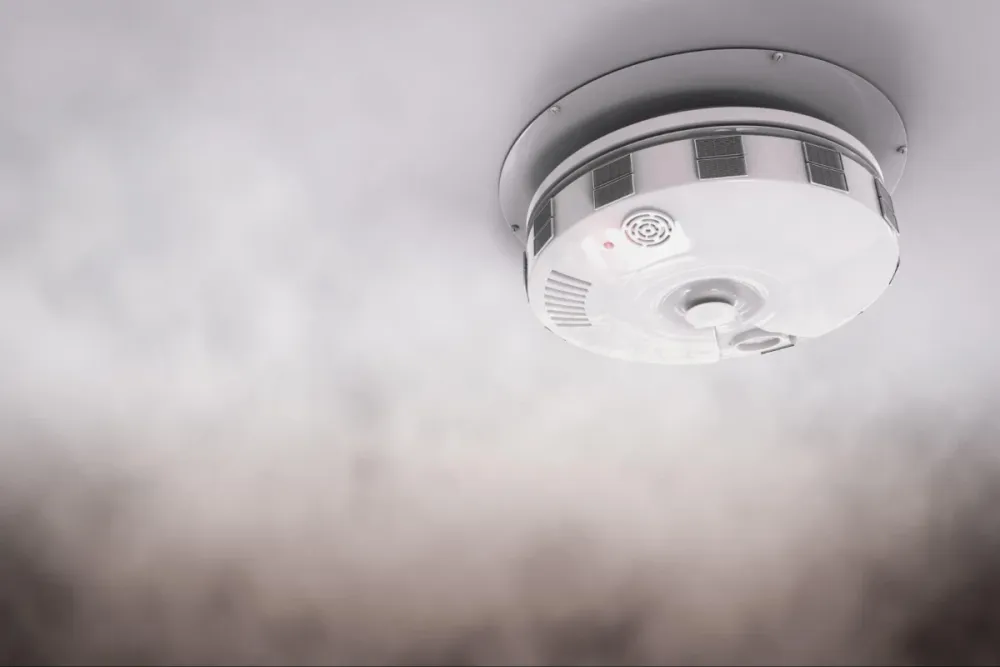
Test Your Smoke and Carbon Monoxide Alarms
Three out of five home fire deaths happen in houses with no working smoke alarms, according to the National Fire Protection Association. Testing takes thirty seconds per detector.
Push the button on each one. If it doesn't beep, replace the battery. If it's still silent after a fresh battery, replace the unit. Smoke detectors themselves expire every ten years. Check the manufacture date on the back. If it's older than 2016, time for a new one.
You need a smoke detector in every bedroom, one outside each sleeping area, and at least one on every floor including the basement. Carbon monoxide detectors belong near sleeping areas too. CO leaks often come from furnaces, water heaters, and attached garages, so any level with those appliances should have coverage.
Clean Your Dryer Vent
The U.S. Fire Administration reports about 2,900 dryer fires a year. Nearly a third start from failure to clean the machine. After a Minnesota winter of sweatshirts, flannels, and bath towels, your vent is working against you.
A vent is overdue for cleaning when clothes take longer than one cycle to dry, the dryer feels hot to the touch, or you smell something scorched when it runs. Pull the dryer out. Disconnect the vent hose. Vacuum what you can reach. Check the exterior vent flap, it should open freely when the dryer runs.
For long vent runs or rooftop vents, hire someone. A pro with the right brushes can clear the full line in under an hour and catch damage you wouldn't notice.
Give Your HVAC System a Spring Look
Your furnace just finished its longest shift of the year. A few minutes of attention now catches small problems before they turn into summer AC breakdowns or next winter's no-heat call.
Start with the filter. If it's gray and fuzzy, swap it. A clogged filter strains the blower motor and can trap heat in ways that stress the system. Most homes need a new filter every one to three months depending on pets, allergies, and filter type.
Look at the furnace itself. Scorching around the burner compartment, a yellow flame instead of blue, or a sooty smell when the system runs are all reasons to call for service. The same goes for odd cycling, banging on startup, or a noticeably higher gas bill this past winter.
Spring is also when a professional tune-up pays off. Technicians catch cracked heat exchangers, failing capacitors, and venting issues that can create carbon monoxide or fire risk. If you haven't had one in a couple of years, book it.
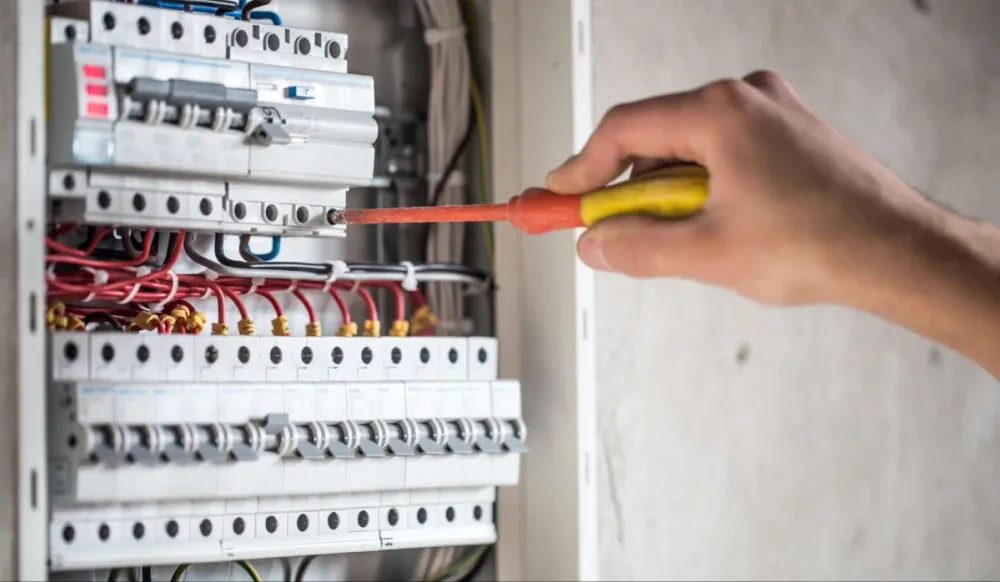
Walk Your Electrical System
Electrical failures cause roughly 13% of home fires. Most of the warning signs are easy to spot if you know what to look for.
Start with the cords. Any extension cord running under a rug is a fire hazard, the rug traps heat and you can't see damage if the insulation fails. Move those cords into the open. Check every outlet where you have something plugged in. Warm faceplates, scorch marks, or loose outlets that don't grip the plug all need attention.
Inside the house, flickering lights on a specific circuit, breakers that trip for no obvious reason, or a burning plastic smell anywhere near an outlet or switch are signs to stop and call an electrician. These aren't wait-and-see problems.
Outside, check where your main service line connects to the house. Branches growing into it, squirrel damage, or a weather head pulled loose from the siding all warrant a call.
Clear the Perimeter
Fire needs fuel. Spring yard cleanup is fuel removal.
Pull leaves and pine needles out of gutters, off the roof, and away from the first five feet of your foundation. Wet leaves dry out fast once temperatures climb. Cut back any dead branches touching the siding or hanging over the roof. Store firewood at least thirty feet from the house.
Before the first cookout, inspect your grill. Propane connections should be tight, hoses should be free of cracks, and the grease tray should be empty. Grills need to be at least ten feet from any structure when in use, including decks, siding, and the garage. A grease fire on a deck is one of the more common spring fire calls local departments make.
Refresh Your Exit Plan
Every person in the house should know two ways out of every room. Windows count, if they can be opened and the drop isn't dangerous.
Pick a meeting spot outside: the mailbox, a specific tree, the end of the driveway. Pick somewhere everyone will remember. Walk it with your family once. If you have kids, practice at least once a year. The whole drill takes ten minutes. You'll be glad you did it.

A Safer Season Starts with an Hour of Work
Most of this list can be completed in an afternoon. The rest is worth paying someone for. If you run into something that feels outside DIY territory, whether it's a furnace that doesn't sound right or a dryer vent you can't reach, MSP's skilled and highly trained team of electricians and HVAC technicians have been handling calls like these in the Twin Cities for over a century. Call us at (651) 228-9200 today.
For more on home electrical safety, see our guides to HVAC care during a power outage and signs of old home wiring.