The Answer for Twin Cities Homeowners
For a full commit to cooling season, watch for a stretch of 75°F days in the forecast. That usually shows up between the last week of April and the middle of May in Minneapolis-Saint Paul, though late cold snaps can push it. If you have a south-facing house, lots of windows, or poor insulation, you may notice the indoor heat sooner.
For a test run, aim for a mild spring day in the 70s after temperatures have stayed above 60°F for three days straight. That’s the point where it’s safe to run the system without risking damage.
Why You Can’t Just Turn It On in April
Central AC systems are built to move heat out of your home, and the whole process relies on refrigerant changing from liquid to gas and back again at predictable temperatures. When it’s too cold outside, that cycle breaks down.
Below 60°F, three things can go wrong. First, the oil that lubricates your compressor thickens in cold weather, which means the moving parts inside don’t get the protection they need. Running the compressor without good lubrication causes wear, and in bad cases, it causes the compressor to seize. That’s one of the most expensive repairs on a central AC system.
Second, the refrigerant may not vaporize the way it’s supposed to. Instead of returning to the compressor as a gas, it comes back as a liquid. Compressors are built to pump gas, not liquid. When liquid refrigerant floods the compressor, it can damage the internal components fast.
Third, the indoor evaporator coil can freeze over. Ice on the coil restricts airflow, and once a coil is fully iced, the system won’t cool your home even when temperatures do climb.
Newer systems often have a low-ambient sensor that prevents startup in cold weather. Older units usually don’t. If your AC is more than 10 years old, the 60°F rule is the one that protects your equipment.
When to Do Your First Test Run
Pick a day when the forecast shows temperatures in the 70s and the overnight low is above 55°F. That combination means your system is working in conditions it was designed for, and you’ll get a real read on whether everything is functioning.
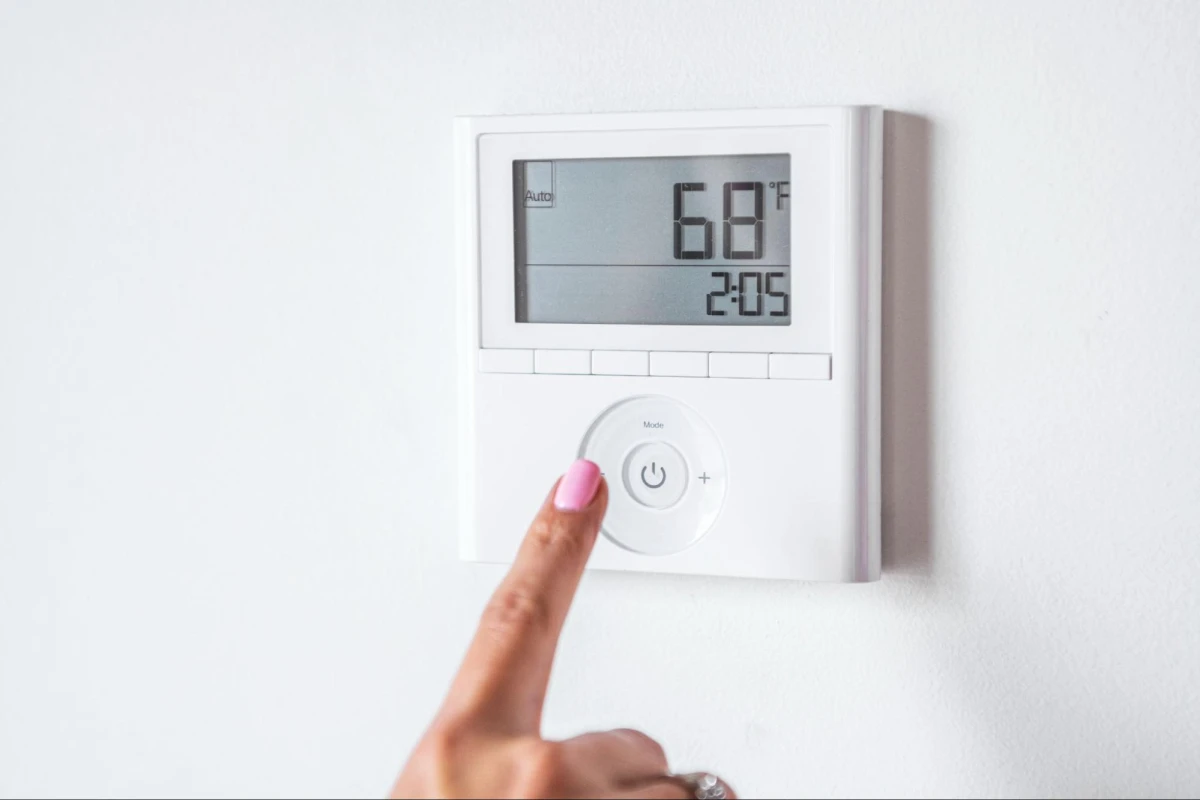
Run the system for 15 to 20 minutes. Set the thermostat 5 degrees below the current indoor temperature so the compressor actually kicks on. Walk through the house and check that cool air is coming from every vent. Listen at the outdoor unit for steady operation, not clunking, grinding, or rapid on-off cycling.
Finding a problem in April gives you weeks to schedule repairs before you actually need cooling. Finding a problem during the first 90°F day in June means sweating it out while you wait for a tech.
Before You Flip the Switch
A few minutes of prep before the first run prevents the most common startup problems.
Pull any cover off the outdoor unit. Running an AC with the cover still on traps airflow and causes the system to overheat within minutes. If you didn’t cover it over winter, that’s fine, covers aren’t required.
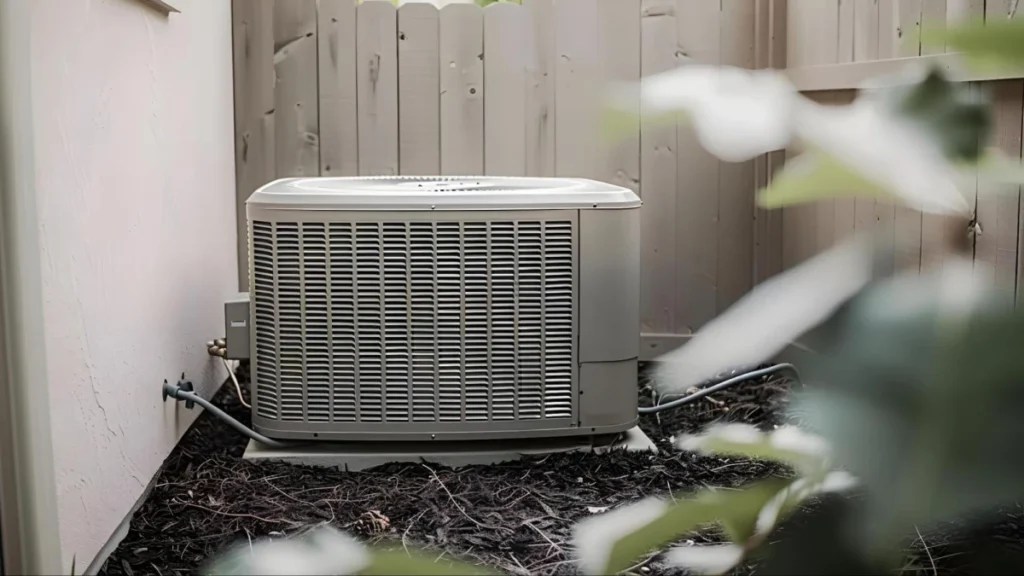
Walk around the outdoor unit and clear anything within two feet. Dead leaves, grass clippings, branches, and the small drifts of debris that collect against the condenser all restrict airflow. A clean perimeter lets the unit breathe.
Swap the furnace filter. According to the Department of Energy, a clean filter can lower your AC’s energy use by 5-15%. Your AC uses the same blower and air handler as your furnace, so a clogged filter from winter will hurt cooling performance the same way it hurt heating.
Check your supply vents and return grilles. Anything pushed against a vent (couches, beds, rugs) chokes airflow. Make sure they’re open and unobstructed.
Take a quick look at the refrigerant lines where they leave the house. The larger copper line should be wrapped in black foam insulation. If the foam is cracked, chewed, or missing in spots, note it for a tech. Damaged insulation drops efficiency and can lead to condensation problems.
Signs Something’s Wrong After You Turn It On
The first run tells you a lot if you pay attention.
Weak airflow from the vents usually points to a dirty filter, a blocked coil, or a blower problem. Warm air instead of cool air points to low refrigerant, a dead compressor, or a thermostat wiring issue. Both warrant a service call.
Odd smells matter. A faint burning smell during the first few minutes is normal, it’s dust burning off the coil. A sharp electrical smell, a chemical smell, or a musty smell that lingers is not normal and should be checked.
Loud noises are worth taking seriously. A low hum is fine. Rattling often means loose panels or debris. Grinding usually means a motor bearing is failing. Screeching or hissing points to refrigerant or pressure problems. If you hear any of those, shut the system off and call before running it again.
Ice on the refrigerant lines, water pooling near the indoor unit, or a system that kicks on and off every few minutes are all signs to stop running it and book service. Running a struggling AC typically makes the original problem worse.
Why Spring Booking Beats Summer Scrambling
The first 90°F day of the year is when HVAC phones ring off the hook across the Twin Cities. Techs book out for days, parts run short and emergency fees apply.
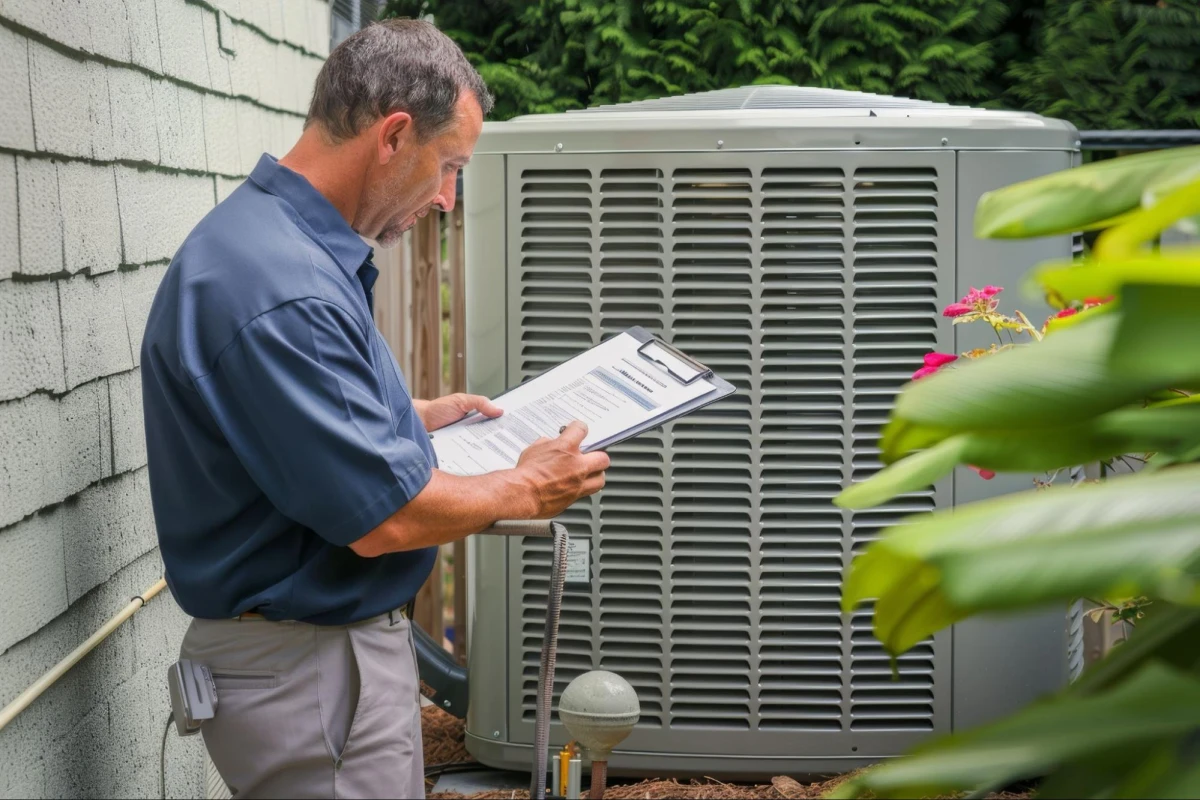
Spring is the opposite. Schedules are open, a standard tune-up runs on a predictable timeline, and any repair work gets done before you actually need the system. A tune-up also catches the small problems that become expensive fast. A weak capacitor, low refrigerant from a slow leak, electrical connections that are burning out, or a drain line that’s clogged enough to flood the pan.
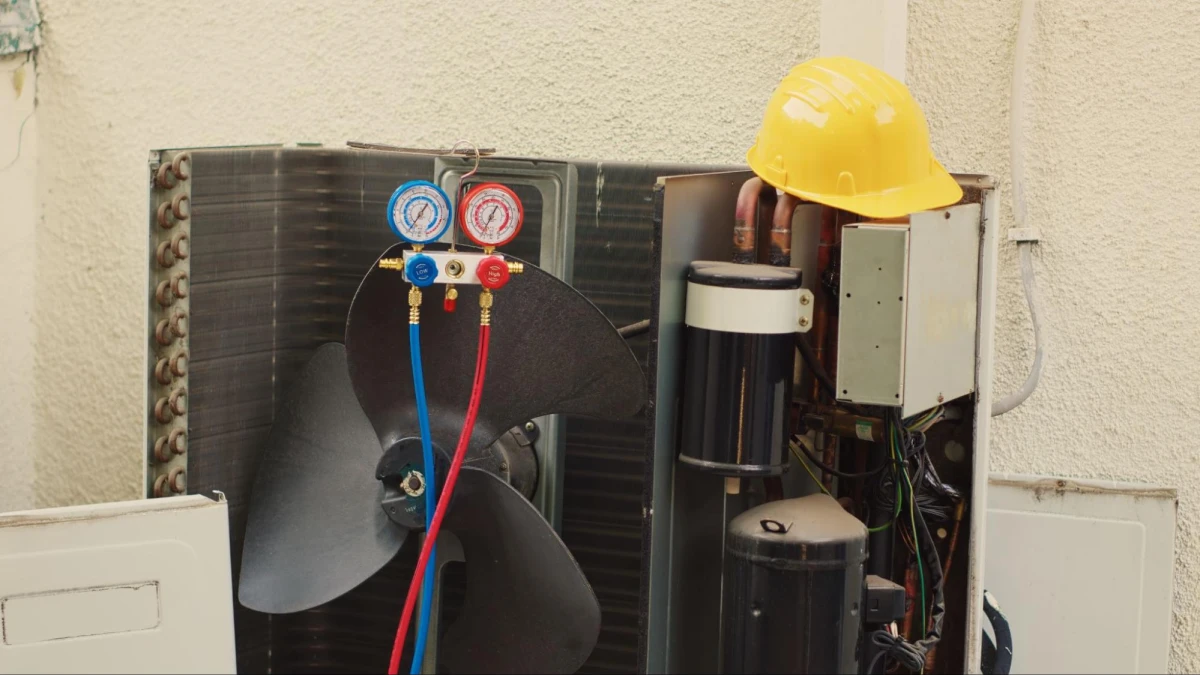
For a system that’s been sitting quiet for six months, a professional tune-up before first use is cheap insurance. ENERGY STAR’s HVAC maintenance checklist gives a good look at what a thorough tune-up should cover.
Ready for Minnesota’s Short Cooling Season
If your AC is due for a tune-up or something sounds off during your first test run, MSP has been handling calls like this across the Twin Cities for over a century. We’re at (612) 584-2034.
