We’re growing and looking for great people. Click here to join our family!

What Minneapolis Homeowners Can Fix Themselves and When to Call a Plumber

A slow drain doesn’t always mean you need to pick up the phone. A slow drain in a 1940s South Minneapolis house with three mature elms in the backyard is a very different situation than a slow drain in a Woodbury townhome built in 2015. Knowing which situation you’re in saves you either an unnecessary service call or a much more expensive repair down the line.

At family owned and operated MSP Plumbing, we’ve been clearing drains in Minneapolis and St. Paul homes for over 100 years, so we have a pretty clear sense of what homeowners can handle on their own and what tends to make things worse. Here’s an honest breakdown of what’s worth trying yourself and what’s worth calling us for. 

The Plunger: Your First Move on Almost Everything

For a single clogged toilet or a bathroom sink that’s draining slowly, a plunger is still the right first tool. Cup plungers work on sinks and tubs, while flange plungers, the ones with the rubber extension at the bottom, work on toilets. Use the right one, get a good seal, and give it 10 to 15 firm plunges before you give up.

If it clears the blockage, you’re done. If it doesn’t move after two or three solid attempts, stop there, because more pressure won’t help. If something solid is caught in the trap, forcing it harder will only push it deeper into the line.

Baking Soda and Vinegar: Fine for Maintenance, Not for Real Clogs

The baking soda and vinegar trick works reasonably well as a monthly maintenance flush to keep mild buildup from accumulating in slower-moving drains. Pour half a cup of baking soda down the drain, follow it with half a cup of white vinegar, let it sit for 20 minutes, then flush with hot water.

What it won’t do is break up a grease blockage in a kitchen drain or clear hair and soap scum that’s been collecting for months. The chemical reaction looks satisfying, but it doesn’t produce enough force to move a real clog. Think of it as a drain rinse rather than a drain fix.

Chemical Drain Cleaners: More Risk Than They’re Worth

Liquid drain cleaners are everywhere, and we understand the appeal. They’re cheap, they’re at every hardware store, and the bottle makes it sound simple. We don’t recommend them, though, and for good reason.

The active ingredients in most commercial drain cleaners are either sodium hydroxide (lye) or sulfuric acid. Both generate heat as they work, which is fine for newer PVC pipes but can soften, warp, or crack older materials. A lot of Minneapolis and St. Paul homes still have galvanized steel or cast iron drain lines, sometimes original to the house. Running harsh chemicals through a 70-year-old pipe is not a good trade.

These products also don’t fully dissolve most blockages. What they tend to do is create a small opening through the clog, which gives you temporary drainage but leaves residue that catches the next thing coming down the drain. We’ve pulled plenty of secondary clogs that were partly composed of dried chemical residue from a previous treatment. If you’ve already used a chemical cleaner before calling us, let us know, because it affects how we approach the job safely.

A Drain Snake: Worth Owning, With Limits

A basic hand-crank drain snake, sometimes called a drain auger, costs $25 to $40 at any hardware store and handles a lot of common bathroom clogs well. Hair and soap scum in a tub drain or bathroom sink is exactly what a small hand snake is designed for. Feed it in, crank until you feel resistance, work it through, and pull it back out.

The limit is reach. A hand snake typically goes 15 to 25 feet, which covers the trap and the first section of branch line. If the clog is further in, or if you’re dealing with a floor drain or a toilet with a stubborn blockage, you need a longer cable tool than a consumer snake can handle, or a camera to find out what’s actually down there.

Machine-driven cable tools go further and hit harder, but they also require some experience to use without damaging pipes. If you’ve rented one and you’re not confident in what you’re doing, the risk of scratching or cracking an older pipe goes up considerably.

When to Stop DIYing and Call Us

There are many situations where a plunger, a snake, or a home remedy isn’t going to solve the problem. You’ll want our drain cleaning services if you encounter any of these issues. 

Multiple drains are slow or backing up at the same time

This is the clearest sign that the problem isn’t in an individual fixture but in the main sewer line. Snaking your bathroom sink won’t help if the blockage is 40 feet down the main line. Continuing to use water in the house with a main line blockage can push sewage back up through your basement floor drains.

The same drain clogs repeatedly

 If your kitchen drain clears with snaking and then clogs again three weeks later, something is coating the pipe walls, usually grease, that the snake is just poking through without removing. Hydro jetting cleans the walls thoroughly. Repeated snaking does not.

You can smell sewage coming from a drain

Sewer gas has a very specific sulfur smell and it doesn’t come from a standard clog. It means there’s a venting issue, a dried trap, a cracked line, or a break somewhere in the sewer system. It also means methane is present, which is flammable, so this is not a situation to sit on.

Your toilet gurgles when you run the sink

Gurgling sounds between fixtures means air is moving through the drain system in a way it shouldn’t be. That’s usually a sign of a partial main line blockage or a venting problem, and neither of those is fixable from the fixture end.

Water is backing up into the basement

If you see water coming up through a floor drain or pooling near the base of a floor-level toilet, the main sewer line is blocked and you’re past the DIY stage. Turn off water to the house if you can and call immediately.

A Note on Older Twin Cities Homes

If your house was built before 1960 and you haven’t had a camera inspection of the main sewer line, it’s worth scheduling one before you have a problem rather than after. Clay tile sewer lines, which are common in Minneapolis and St. Paul homes from that era, crack, shift, and attract tree roots over time. The mature tree canopy in neighborhoods like Longfellow, Como, and Tanglewood is beautiful, but those roots are always searching for moisture, and aging clay joints are an easy target.

A camera inspection runs $200 to $400 and tells you exactly what’s in the line, which is a lot cheaper than a main line backup on a Saturday night.

Frequently Asked Questions

Can I use a drain snake on a toilet?

Yes, but use a toilet auger specifically rather than a standard drain snake. Toilet augers have a rubber sleeve that protects the porcelain from scratching, and a bare metal snake cable dragged through a toilet bowl will leave marks.

How do I know if my P-trap is the problem?

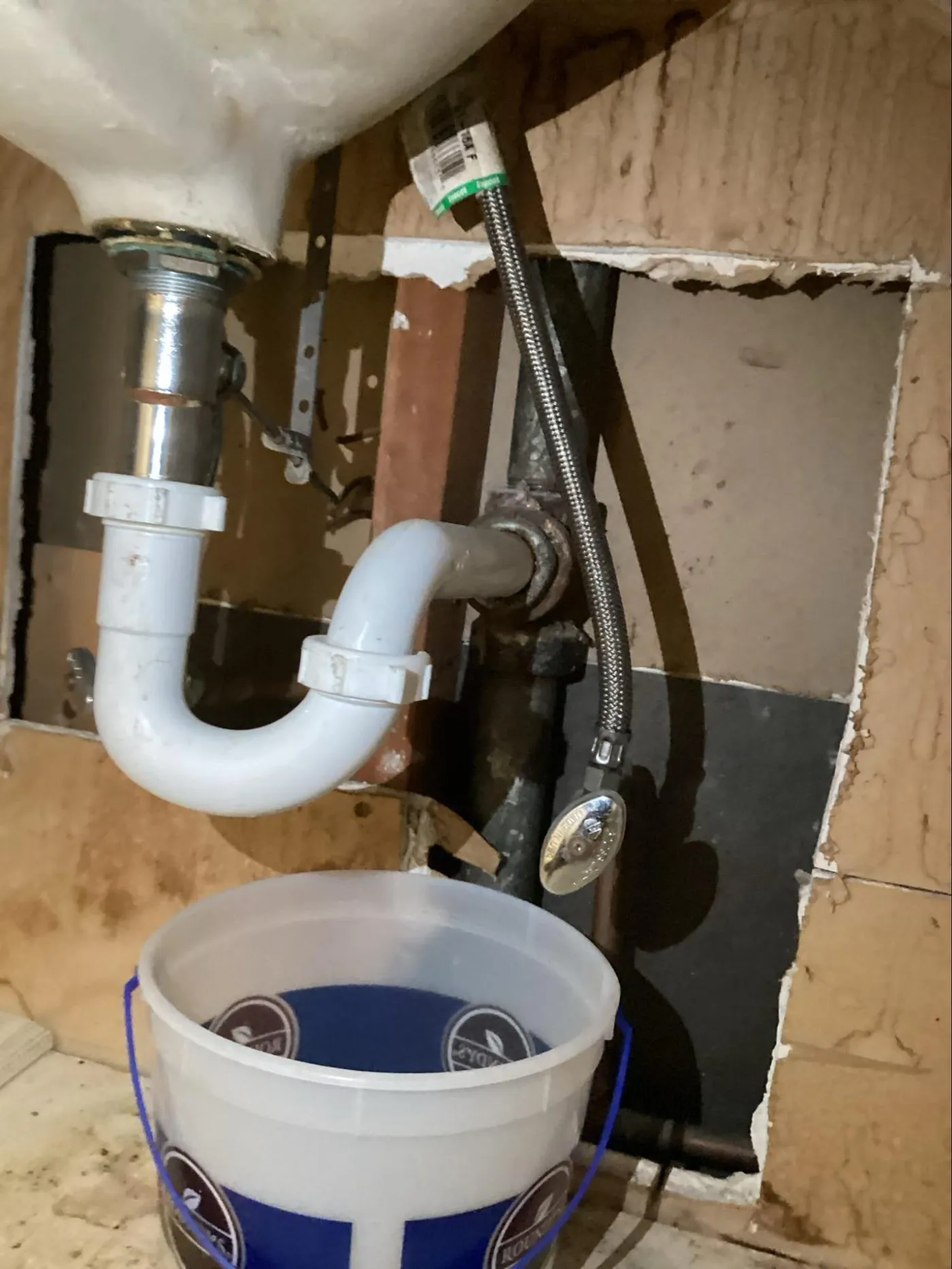
If the slow drain is isolated to one sink and you haven’t noticed any other drainage issues, the P-trap, the curved section of pipe under the fixture, is a reasonable suspect. You can remove and clean it yourself if you’re comfortable with basic plumbing. Turn off the water supply to the fixture first, put a bucket under the P-trap to catch water, and unscrew the slip nuts by hand. Clean the trap out, reinstall it, and test the drain. If it’s still slow, the blockage is further in the line.

Is it safe to use a plunger and a chemical cleaner together?

No, and this combination is genuinely dangerous. If you’ve already put a chemical cleaner down a drain, skip the plunger entirely, because splashing caustic chemicals is a serious risk to your eyes and skin. If the chemical cleaner hasn’t worked, let the drain sit for 30 minutes, flush thoroughly with hot water, and then call a plumber rather than adding more product or switching to a mechanical method.

How much does a drain cleaning service cost in Minneapolis?

A diagnostic visit with MSP costs $88, which is free for Total Comfort Club members, and that covers a full inspection along with a price quote before any work starts. Most standard residential drain clearing runs from $150 to $400 depending on the location and difficulty of the blockage, with main sewer line work involving cable tools or hydro jetting running higher than that.

Still Stuck? We’ve Been Solving Twin Cities Drain Problems Since 1918.

Most drain clogs have a straightforward answer once someone with the right equipment takes a look. MSP’s plumbers serve the full Minneapolis and St. Paul metro, and with over a century of experience in Twin Cities homes specifically, there aren’t many drain situations we haven’t seen and fixed.

If you’ve worked through the basics and the drain still isn’t moving, or you’re dealing with any of the warning signs covered above, contact our team. For just $88, we’ll diagnose the problem, show you exactly what’s going on, and give you a full price quote before any work begins. Total Comfort Club members get that trip fee at no charge.

LIKE THIS ARTICLE?

Share on Facebook
Share on Twitter
Share on Linkdin
Share on Pinterest